
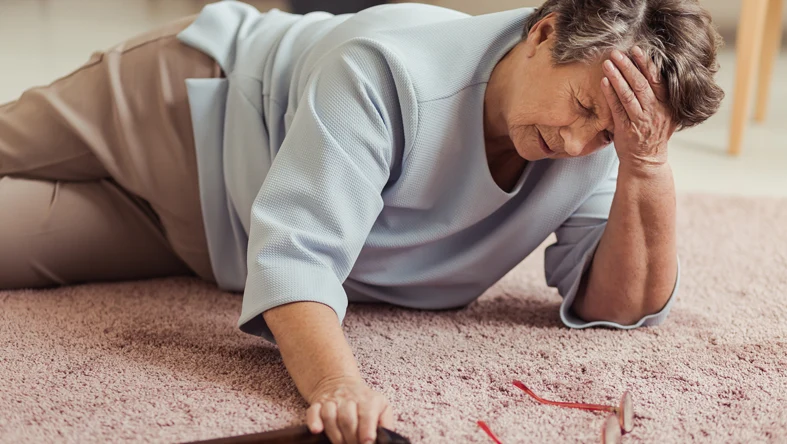
One in four adults over the age of 65 report falling each year.
Falls can be dangerous for everyone. But as we age, these small accidents can be more serious.
Keep reading for tips and resources to help you prevent falls inside and outside the home. We also talk about how looking after your health can help, and what to do to stay safe in case you do fall.
What is fall prevention and why is it important?
Fall prevention is learning ways to avoid accidents that could cause serious injury. Small accidents can lead to broken bones, fractures, hospitalization, and sometimes disability.
That’s why preventing falls is so important.
Common reasons people fall
According to Washington State Department of Social and Health Services, people over 65 years of age can be at risk for accidents that cause serious injuries for many reasons:
- Tripping hazards, like loose rugs or clutter
- Low physical activity can cause muscle weakness
- Foot and leg problems or difficulty with walking or balancing
- Vision and hearing problems
- Certain medications or taking multiple medications
- Certain conditions such as joint disease, heart disease, a recent stroke, or Parkinsons
- Confusion from dementia, delirium, or depression
- Substance use like alcohol or drugs
How to prevent falls
A few small changes can help you stay active with more confidence and prevent falls.

How do I prevent falls inside?
- Remove tripping hazards and wear non-slip shoes. Clear your walkways of loose rugs, cords, and clutter to create safer paths through your home.
- Keep your house well lit. Nightlights in the hallway, bathroom, or any room you use at night can make it easier to see better and move safely when it’s dark.
- Take extra caution in the bathroom. Grab bars, nonskid bathmats, shower chairs, and hand-held shower heads can help you stay safe. Consider removing rugs here too.

How do I prevent falls outside?
- Keep your hands free. Use a crossbody bag, fanny pack, or backpack to carry things.
- Prepare stairs and walking paths during cold weather. Ask a family member, friend, or your property manager to sprinkle salt or sand on slippery steps and sidewalks.
- Carry a light at night and make sure stairs and walking paths at home are well lit.

Which healthy habits can help prevent falls?
Your overall health can make a big difference too.
- Keep moving to stay strong. Regular physical activity, like daily walks or gentle strength exercises, helps build muscle and bone strength, and improve your balance.
 Tip: If you avoid staying active because you fear falling, talk to your doctor. They can help you find a safe exercise routine or refer you to a physical therapist.
- Get to know your medication. Some can affect your balance. Talk with your doctor about your medications, especially if you get a new prescription or take more than one.
- Check your vision and hearing every year. Clear sight and sound help you stay steady and aware of your surroundings.
 Caution: Some glasses (multi-focal) can blur your vision when you look down, which can cause falls. If you wear multi-focal glasses, ask your eye doctor about single-vision.
- Keep your feet healthy. Many people ignore foot and leg pain or numbness, which can affect balance. If you have any foot or leg problems, talk to your doctor about it.
- Schedule your annual wellness visits each year. This is a great time to discuss all of these things with your doctor and check your overall health.
CHPW’s Care Management team helps CHPW members coordinate medical appointments, support medication reviews, and find community support services to help improve safety at home to prevent falls. Learn more about Care Management with CHPW.
Staying safe if you do fall
Another way to stay safe is to think about how you will get help if you do fall and can’t get up.
- Keep a mobile phone charged and with you. Carrying a mobile phone with you to each room is a good idea in case you have an accident.
- Set up a plan with a safe person. Agree to make contact once a day with a family member or friend. Always tell that person where you are going when you leave home.
- Wear an alert device or smart watch. Most health insurance plans do not cover alert devices, but some community programs may be able to help with costs or provide other support services to help keep you safe.

Eligible for Medicare, but not a CHPW member? Learn more about CHPW Medicare Advantage (HMO D-SNP) plans.
Taking steps today could help you prevent falls tomorrow – so you can stay strong and independent longer.