
Type 2 diabetes affects more people than you might expect, even those who feel generally healthy.
Your age, family health history, other health conditions, and your daily habits can all impact your risk for developing type 2 diabetes.
So, let’s talk about it. What is type 2 diabetes, how can you prevent it, and how do you know if you are at risk?
What is type 2 diabetes?
When you have type 2 diabetes, sugar stays in the blood instead of turning into energy. This happens when your body stops using insulin as well as it did before. Doctors call it insulin resistance.
If diabetes is not cared for, it can damage the eyes, nerves, kidneys, blood vessels, and your ability to fight infections. It can also raise your risk of heart disease, heart attack, and stroke.
How can you prevent type 2 diabetes?
You can help prevent or delay diabetes by focusing on healthy daily habits and working with your doctor to find out what works best for your body.
Here are 4 things you can do to help prevent type 2 diabetes:

1. Schedule yearly checkups and get A1c tests.
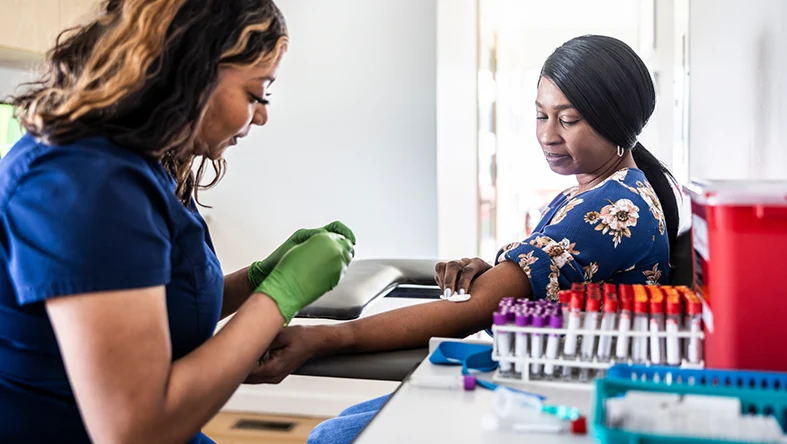
Routine checkups and preventive tests, like the A1c test, can help your doctor find early signs of diabetes or prediabetes. Your doctor can also give you advice based on your family’s health history and your current health.

2. Eat a balanced diet.
Aim to eat whole foods like vegetables, fruits, whole grains, fiber-rich foods like berries and beans, lean animal and plant proteins, and healthy fats. Limit foods with added sugars, sugary drinks, and refined grains like white bread, white rice, or pastries.
Find more information about nutrition and diabetes in another CHPW Connections article, What a Registered Dietitian wants you to know about prediabetes.


3. Be active every day.
Exercise can be anything that gets you moving, and it can happen anywhere. You can walk, run, dance, ride a bike, use the stairs instead of the elevator, park farther away from a store entrance, or lift weights. It all counts.
Doctors recommend* moderate physical activity for 150 minutes per week. That could be 30 minutes of movement a day, five days a week. This is a goal you can work toward, not where you have to start right now.

4. Watch your sleep and daily stress.
Lack of sleep and high stress can make it harder for your body to use insulin well. For more information about sleep, take a look at another CHPW Connections article, Why a good night’s sleep is important to your health.
In some cases, if you have been diagnosed with prediabetes, you may also benefit from medication to help with your blood sugar.
*Talk to your health care provider before starting any new exercise program

CHPW’s Diabetes Care Program is offered to all CHPW members at no cost. Our Diabetes Care Team includes Case Managers, Registered Dietitians, and Health Coaches who specialize in diabetes care and education. They work with you to set doable goals and make small changes that last, so you can feel your best.
Get to know one of CHPW’s Health Coaches, Edie, to learn more about how we help.
What can increase your risk for type 2 diabetes?
If you have certain risk factors, you may need to pay closer attention to your health. It can take extra effort, but those small changes to daily habits can still help.
Risk factors include:
- Family history. If you have a parent, brother or sister with type 2 diabetes, you are more likely to develop it too.
- Age. After age 45, risk increases for everyone.
- Ethnicity. People who are African American, Latine, Native American, or Asian American have a higher risk.
- Polycystic ovary syndrome (PCOS). PCOS can affect hormones and insulin levels, which raises the chance of developing type 2 diabetes.
- Gestational diabetes. Having diabetes during pregnancy increases the chance of developing type 2 diabetes later in life.
- Prediabetes. Higher-than-normal blood sugar levels are an early warning sign that you could develop diabetes.
We’re here to answer questions and help you build a care plan that fits into your life. Connect with a member of CHPW’s Diabetes Care Team at 1-866-418-7008 (TTY: 711) Monday through Friday, 8 a.m. to 5 p.m.
Remember, you do not have to make every change, all at once. And you do not have to do it all alone. Each small step you take to support your health counts, including talking with your doctor about preventing type 2 diabetes.